FUTURE OF AUTOMOTIVE LUBRICANTS
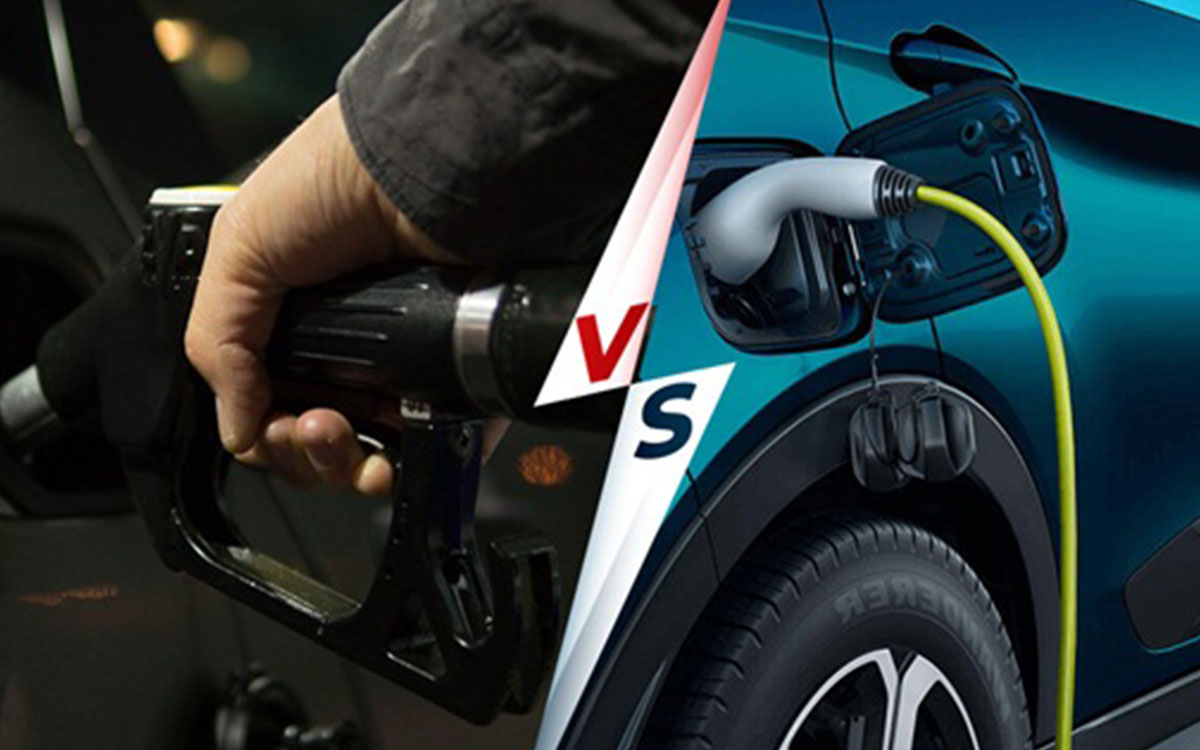
Automobiles have been running on fuels such as petrol and diesel for the past century. While they do complement the car’s engine perfectly, it’s not hidden to anyone that petrol and diesel contribute to CO2 emission, thus polluting the environment. This is where electric cars fit in. People have claimed electricity would replace gasoline for a long time… and they’ve been wrong for a long time. The reason why is simple economics. The cost of building electric cars and a grid to fuel them was astronomical compared to the cost of sticking with the status quo.
Lubricant companies clearly anticipate strong growth for e-fluids. As EV grows, many are expanding their range of e-fluid offerings within their lubricant portfolio. By 2030, one in every two cars sold globally is expected to be electrified. Not surprising then that the lubricants industry is moving to capitalize on this opportunity by diversifying into e-fluids that are advertised as enhancing EV performance, range and durability. Automobiles and other transport dominated the market in 2018 owing to increasing production of vehicles in India; Hence, Products like Engine oil dominated market in 2018. The increasing automobile industry and industrial growth in the country are also expected to boost the demand for hydraulic fluids, during the forecast 2019-24.
Lubricant companies clearly anticipate strong growth for e-fluids. As EV grows, many are expanding their range of e-fluid offerings within their lubricant portfolio. By 2030, one in every two cars sold globally is expected to be electrified. Not surprising then that the lubricants industry is moving to capitalize on this opportunity by diversifying into e-fluids that are advertised as enhancing EV performance, range and durability. Automobiles and other transport dominated the market in 2018 owing to increasing production of vehicles in India; Hence, Products like Engine oil dominated market in 2018. The increasing automobile industry and industrial growth in the country are also expected to boost the demand for hydraulic fluids, during the forecast 2019-24.