NEED OF SPECIALITY LUBRICANTS
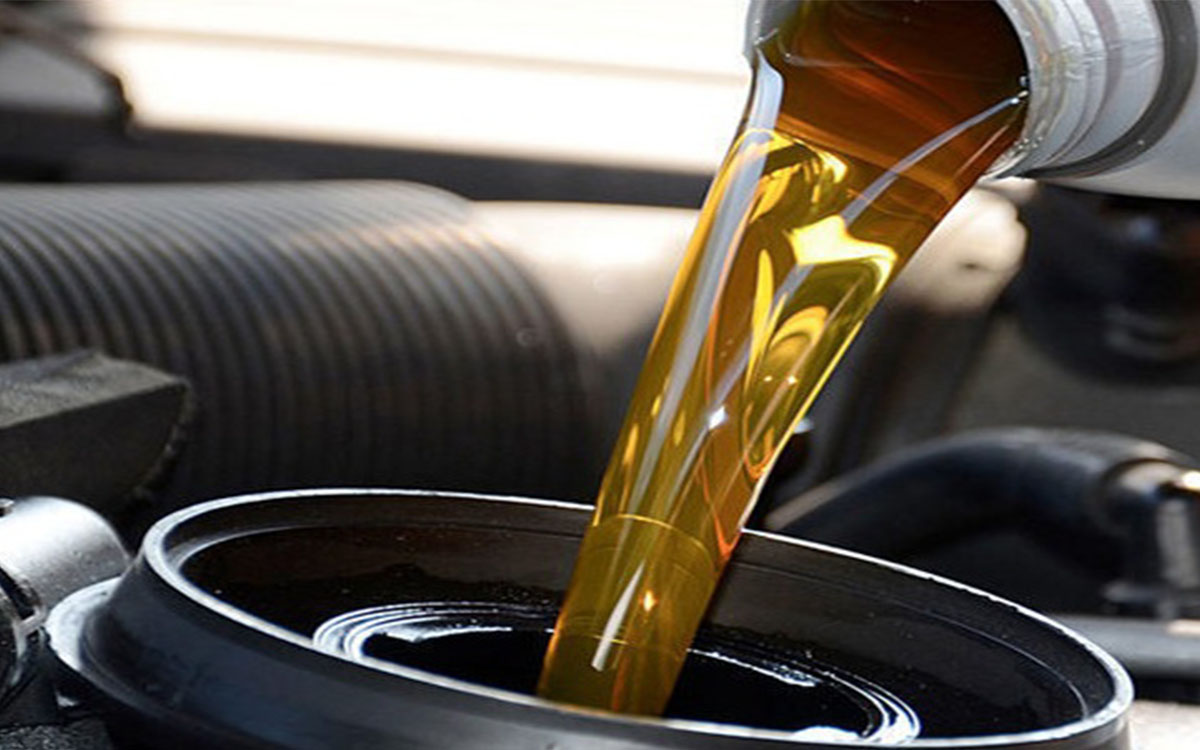
Lubricants are the substance used to reduce the friction between surfaces in contact which reduces heat generated when surfaces move. The property of reducing friction between two particles is known a lubricity. There are 4 types of lubricants such as Oil, Grease, Penetrating Lubricants and Dry Lubricants. The two most common lubricants we all be dealing with daily are oil and grease; however, your facility will still be using dry and penetrating Lubricants. To lubricate each part of the bearing and to reduce friction and wear. To carry away heat generated inside bearing due to friction and other causes. To cover rolling contact surface with the proper oil film in order to prolong bearing fatigue life.
Across all industries, day after day, innumerable gears, bearings and compressors work incessantly in assembly belts, baking lines, escalators, in cars, in trains, and on offshore rigs, resulting in a continuous flow of production, transport and assembly, but also a constant consumption of energy. This constant consumption of energy is a major issue for designers and operators of these systems, not only because energy costs figure prominently among the items on a company's bottom line, but also because this energy consumption is one of the main sources of greenhouse gas - CO² - which impacts the environment and climate change globally.
Choosing the right lubricant can be an especially tricky task. As manufacturers continue to push the limits of machine performance, lubricant suppliers must deliver tailored solutions. As manufacturing continues to push the limits and seeks to cut energy costs, minimize friction and reduce C0² emissions, the use of highly specialized lubrication options for a host of power transmission applications is paramount. Yes, specialty lubricants are more expensive, but it is important to look at the entire cost-benefit calculation of a given application, and price is just the tip of the iceberg, hence the potential for cost savings requires a closer look. Hiding from first sight, but worth noting are the savings in down-time costs, maintenance, energy usage, spare parts, storage, disposal and of course lubricant consumption overall, as when synthetic high-performance lubricants are tuned to the particular application the total operational cost of that application decreases.